


What to Do If Your Loved One Is a Victim of Nursing Home Injury?
Discovering that a cherished older family member may be a victim of nursing home injury is a deeply distressing experience. If you suspect your loved one is being harmed, your first priorities are to ensure their immediate safety, document the situation, and report your concerns to the proper authorities. You may also want to contact a lawyer who can help protect your loved one. The path forward can feel complicated, but there are specific actions you can take to protect them and hold the responsible parties accountable.
Don’t face a nursing home injury alone—speak with a personal injury lawyer today to protect your loved one and hold negligent facilities accountable.
Key Takeaways:
- Recognizing different forms of elder nursing home injury, including physical, emotional, financial, and neglect, is the first step toward intervention.
- The immediate priority is to remove the elderly person from any dangerous situation and get them to a safe location.
- Massachusetts has a formal system for reporting nursing home injury through the Executive Office of Aging & Independence, which investigates such claims.
- Documenting all signs of nursing home injury, including photographs, medical records, financial statements, and a detailed journal, is critical for any future action.
- A civil lawsuit can be a potential avenue for holding perpetrators accountable and recovering compensation for the harm caused.
- An attorney can assist families by investigating the injuries, communicating with institutions, and representing the victim’s interests.
Recognizing the Different Forms of Nursing Home Injuries in Massachusetts
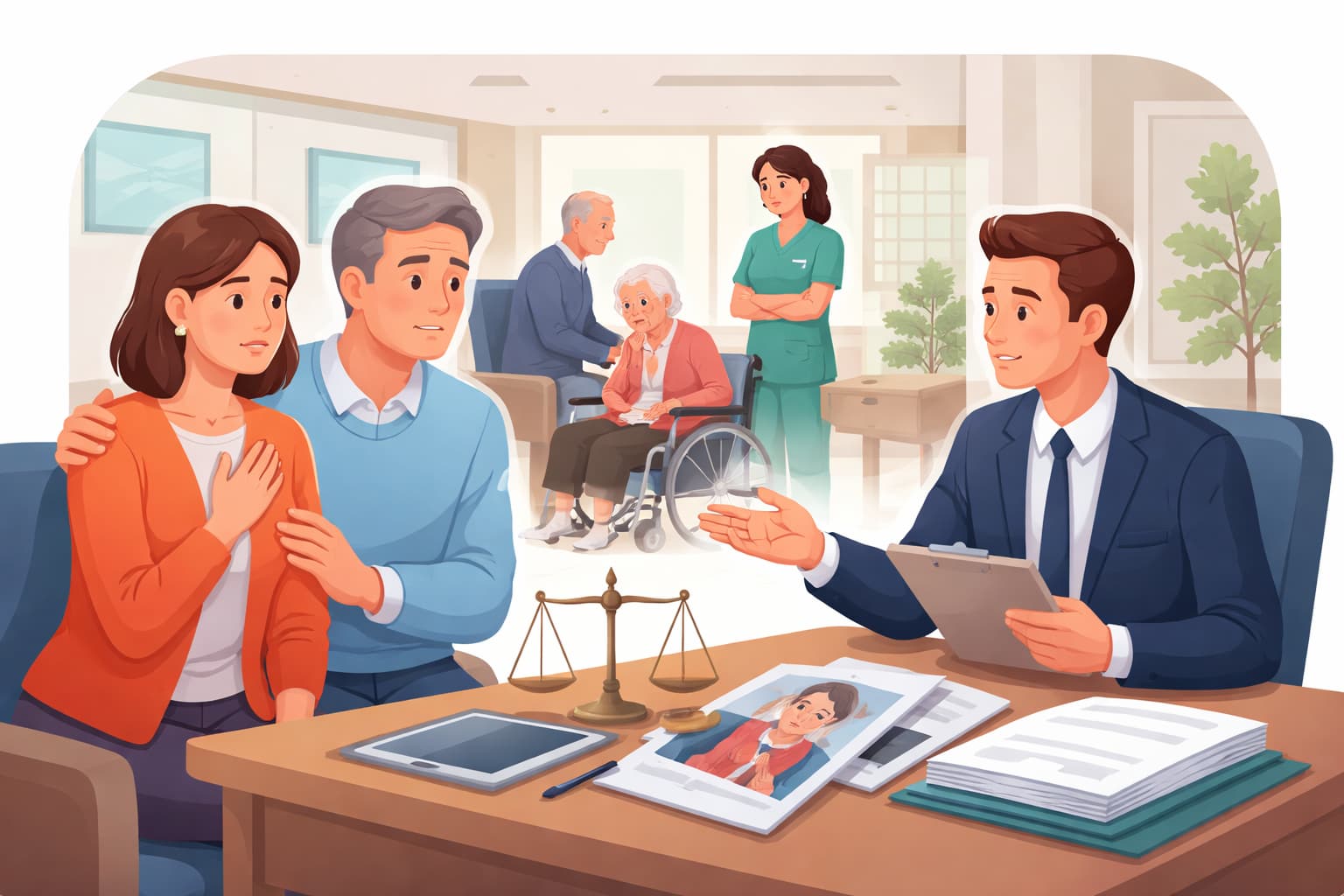
The first step in helping a loved one is understanding what constitutes a nursing home injury. It is not always as obvious as a physical injury. Harm can be subtle and can occur in many forms, whether in a private home, an assisted living facility, or a nursing home. Being aware of the different types of nursing home injuries is crucial for identifying a problem and taking action.
Key signs to watch for include:
- Physical Injuries: This involves any use of physical force that results in bodily injury, pain, or impairment. Look for unexplained bruises, cuts, burns, broken bones, or marks from restraints. Your loved one might seem jumpy or fearful of a particular caregiver.
- Emotional or Psychological Injuries: This can be verbal or non-verbal conduct that inflicts mental pain, anguish, or distress. It includes intimidation, humiliation, threats, or isolating an elder from friends and family. A sudden change in personality, withdrawal, or depression could be warning signs.
- Financial Exploitation: This is the illegal or improper use of an elder’s funds, property, or assets. Be alert for sudden changes in a will or other financial documents, unexplained withdrawals from bank accounts, or new, unfamiliar “best friends” who take an intense interest in your loved one’s finances.
- Neglect: This is the failure of a caregiver to provide the goods or services necessary to avoid physical harm or mental anguish. Signs include poor hygiene, untreated bed sores, malnourishment, dehydration, or unsafe living conditions, such as a lack of heat or running water.
- Abandonment: This is the desertion of an elderly person by an individual who has assumed responsibility for their care.
These categories can sometimes overlap, but knowing what to look for allows you to identify red flags and start asking important questions.
Immediate Steps to Protect Your Loved One
If you believe your loved one is in immediate danger, do not wait. Your priority is to get them to a safe place away from the potential perpetrator.
If the situation is life-threatening, call 911 right away. Emergency services can provide medical attention and secure the scene. For non-emergency situations, consider moving your loved one to a trusted family member’s home or another safe environment.
Talk to your loved one in a calm, private setting. They may feel ashamed, scared, or confused. Reassure them that you are there to help and that what is happening is not their fault. Listen to their story without judgment, as their account is a powerful part of understanding the situation.
Once your loved one is safe, focus on preserving any evidence. Do not clean up, throw anything away, or alter the scene where the injury may have taken place. This is also a good time to start documenting everything you have seen and heard. You should also contact a lawyer and share your photos and other documentation with them. This will help the legal team build a case.
The Formal Reporting Process for a Victim of Nursing Home Injury in Massachusetts
Massachusetts has a clear process for reporting nursing home injuries for individuals aged 60 and over. The state takes these reports seriously and has a dedicated agency, the Executive Office of Aging & Independence (AGE), to investigate them.
According to state law, certain professionals, known as mandated reporters, are required by law to report any suspected misconduct. However, anyone can and should make a report if they have a reasonable cause to believe an elder is suffering from nursing home injuries.
Here are the steps to formally report your concerns:
- Contact the Massachusetts Hotline. You can make a confidential report 24 hours a day, 7 days a week by calling (800) 922-2275.
- Provide Detailed Information. Be prepared to share your loved one’s name and address, your reasons for concern, the nature and extent of the suspected injury or neglect, and any information you have about the person you believe is responsible.
- Cooperate with the Investigation. After a report is made, a protective services caseworker from the EOEA will investigate. They may conduct interviews, review records, and visit your loved one’s home. Your cooperation can be very helpful to their process.
Making a formal report is a critical step in getting your loved one official help and protection. It creates a legal record of the nursing home injuries and triggers an investigation by the state agency tasked with protecting vulnerable seniors.
Gathering Evidence and Documenting the Injuries

While the state conducts its investigation, your own documentation can be invaluable for any legal action you may consider later. Strong evidence is the foundation of holding a person or institution accountable. Focus on collecting clear, objective information that tells the story of what happened.
Some of the most useful forms of documentation include:
- Photographs and Videos: Take clear pictures of any injuries like bruises, cuts, or bed sores. Also, photograph the living conditions, such as a dirty room, soiled bedding, or potential hazards in the home or facility.
- Medical Records: Obtain copies of all relevant medical records. These documents can show a pattern of unexplained injuries, a sudden decline in health, or a failure to provide adequate medical care.
- Financial Statements: If you suspect financial exploitation, gather bank statements, credit card bills, and any unusual financial documents. Look for large, unexplained transactions or changes to beneficiaries.
- Contact Information: Keep a list of names and contact information for everyone involved, including caregivers, facility staff, doctors, and any potential witnesses who may have seen or heard something.
This collected information provides a factual basis for your concerns and can be instrumental in building a case.
Keeping a Detailed Journal
One of the most powerful tools you have is a simple journal. Use it to create a timeline of events. For every entry, be sure to include the date, time, and a factual description of what you observed or were told.
Your journal entries should be specific. For example, instead of writing “Mom seemed sad,” write “On October 26th at 2:00 PM, I visited Mom. She was crying and told me that her aide, Jane, had yelled at her for spilling water.” This level of detail transforms a general feeling into a documented incident. This journal can help refresh your memory and provide a chronological record for investigators or an attorney.
Understanding the Legal Avenues
When an elderly person is harmed, there are generally two different types of legal processes that can occur: criminal charges and a civil lawsuit.
- Criminal Charges: If the injury involves a criminal act, such as assault or theft, the District Attorney’s office may file criminal charges against the perpetrator. A conviction can lead to penalties like jail time, fines, and probation. This process is handled by the state, not the family.
- Civil Lawsuit: A civil lawsuit is a separate action filed by the victim or their family to seek financial compensation for the harm they suffered. This is where a personal injury claim comes into play. A lawsuit can hold a negligent nursing home, a caregiver, or another responsible party accountable for their actions or inaction.
The goal of a civil claim is not to send someone to jail but to recover damages. This compensation can help cover medical expenses, the cost of moving to a new facility, and the pain and suffering the victim endured.
Pursuing a Personal Injury Claim
A personal injury claim is often based on the legal concept of negligence. This means the caregiver or facility had a duty to provide a certain standard of care and failed to do so, resulting in harm to your loved one. For example, a nursing home in the Boston area could be considered negligent if it were understaffed, failed to properly screen its employees, or did not provide adequate medical attention.
Protective Orders in Massachusetts
In some cases, a protective order may be an option to legally require the perpetrator to stay away from your loved one. A Harassment Prevention Order can be sought against someone who is not a family or household member. This type of order can provide an additional layer of legal protection while you sort out the long-term living situation.
The Role of a Personal Injury Attorney
Figuring out the best course of action after discovering a nursing home injury can be difficult. A personal injury attorney who has worked on similar cases can offer guidance and support during this challenging time. An attorney’s role is to advocate for the victim and their family, helping them seek justice and fair compensation.
Here is how a law firm can assist your family:
- Conducting a Thorough Investigation: Attorneys can gather evidence that may be hard for a family to obtain on their own, such as facility records, staffing schedules, and internal reports.
- Handling Communications: A legal representative can manage all communications with the nursing home, its insurance company, and its lawyers, allowing you to focus on your loved one’s well-being.
- Calculating Damages: They can assess the full extent of the damages, including current and future medical costs, emotional distress, and other losses, to determine a fair amount of compensation to pursue.
- Representing Your Interests: A lawyer will represent your loved one’s interests, whether that means negotiating a settlement or presenting the case in court.
Having a dedicated legal advocate on your side can make a significant difference in the outcome and provide you with a sense of control during a difficult period.
Nursing Home Injury FAQs
Here are some common questions families have when dealing with the mistreatment of an older loved one.
What if my loved one has dementia and cannot confirm what happened?
Even if a person has cognitive impairments like dementia or Alzheimer’s, a case can still move forward. Evidence can be built from medical records, photographs, staff testimony, and observations from family members. The physical evidence and witness accounts often tell the story when the victim cannot.
Can a nursing home be held responsible if the perpetrator is an employee?
Yes, in many situations, a facility can be held liable for the actions of its employees. This can be due to negligent hiring, inadequate training, understaffing, or failing to properly supervise its staff. The facility has a duty to create a safe environment for its residents.
What is the statute of limitations for filing a lawsuit in Massachusetts?
The statute of limitations is the legal deadline for filing a lawsuit. In Massachusetts, for most personal injury cases, the deadline is three years from the date of the injury. However, the specifics can be complex, and it is important to discuss the timeline with an attorney as soon as possible.
How can I protect my elderly parent from financial scams?
Help your parent by offering to review their mail and financial statements with them. Set up alerts on their bank and credit card accounts for unusual activity. Encourage them to never give out personal information over the phone and to talk to you before making any large financial decisions or changes to their will or estate plan.
Brooks Law Firm Can Help
Discovering that your elderly loved one has been hurt is heartbreaking. You may feel angry, betrayed, and unsure of what to do next. At Brooks Law Firm, we are committed to fighting for the rights of the injured and holding negligent parties accountable.
Our team understands the sensitive nature of these cases and is prepared to stand up for your family. We serve clients in Boston and throughout Massachusetts, offering support in English, Spanish, and Portuguese. If you suspect your loved one has been harmed, contact us today at (617) 245-8090 or through our online form for a free, confidential consultation to discuss your legal options.


