How Much Compensation Can You Get for a Pedestrian Accident?
There is no single average amount or fixed number for compensation for a pedestrian accident in Massachusetts. The value of each case is unique, calculated based on the specific details of the incident, the severity of your injuries, and the total impact it has on your life. While a quick answer isn’t possible, understanding the factors that determine a settlement can give you a much clearer picture of what to expect.
The financial recovery in a personal injury claim is designed to address all the losses you have suffered—from the initial emergency room bills to the long-term changes in your ability to work and enjoy life. Calculating this involves a careful look at every way the accident has affected you.
To understand the true value of your claim and protect your right to full compensation, contact our experienced pedestrian accident lawyer today for a free, no-obligation consultation.
Key Takeaways about How Much Compensation You Can Get for a Pedestrian Accident
- Compensation for a pedestrian accident is determined by specific economic and non-economic losses, not a preset formula.
- The severity and long-term impact of the injuries are the most significant factors that influence a settlement’s value.
- Massachusetts’ comparative negligence law can reduce the final compensation amount if the pedestrian is found partially at fault.
- Thorough documentation of all injuries, expenses, and life changes is essential for building a strong personal injury claim.
- The insurance policy limits of the at-fault driver can play a role in the total amount of money that can be recovered.
Understanding the Types of Damages in a Pedestrian Accident Claim

When you file a personal injury claim, you are seeking “damages,” which is the legal term for the losses you’ve experienced because of someone else’s actions. These damages are typically separated into two main categories: economic damages and non-economic damages. Thinking about them this way helps to account for every aspect of your loss.
Economic Damages: The Tangible Financial Losses
Economic damages are the most straightforward part of a claim because they represent direct financial losses that can be proven with bills, receipts, and pay stubs. They are the measurable costs associated with the accident and your recovery.
- Medical Expenses: This includes every medical cost you have incurred, such as ambulance rides, hospital stays, surgeries, doctor’s appointments, prescription medications, and medical devices like crutches or a wheelchair. It also covers projected future medical needs, like ongoing physical therapy or future surgeries.
- Lost Wages: If your injuries caused you to miss work, you can seek payment for the income you lost during your recovery period. This is calculated based on your typical earnings.
- Loss of Earning Capacity: If your injuries are permanent and prevent you from returning to your previous job or working at all, you may be able to recover compensation for this future loss of income.
- Property Damage: This covers the cost to repair or replace any personal items that were damaged in the accident, such as your cell phone, laptop, glasses, or clothing.
- Out-of-Pocket Costs: Many smaller expenses can add up. This can include transportation costs for getting to medical appointments, home care assistance, or modifications to your home, like a ramp for wheelchair access.
These calculable costs form the foundation of your personal injury claim and are essential for showing the direct financial burden the accident has placed on you and your family.
Non-Economic Damages: The Intangible Impact
Non-economic damages address the serious, but less tangible, ways an accident affects your life. These losses don’t have a specific price tag, but they represent the very real human cost of an injury and are a critical part of your compensation.
- Pain and Suffering: This refers to the physical pain and discomfort you experience from your injuries, both at the time of the accident and throughout your recovery.
- Emotional Distress: A serious accident can have a profound psychological impact. This can include conditions like anxiety, depression, fear, sleep disturbances, and post-traumatic stress disorder (PTSD).
- Loss of Enjoyment of Life: This damage applies when your injuries prevent you from participating in hobbies, activities, and life events that you previously enjoyed.
- Disfigurement and Scarring: If the accident left you with permanent scars or other visible physical changes, you can seek damages for the distress and embarrassment this may cause.
- Loss of Consortium: In some cases, a spouse may have a claim for the loss of companionship, affection, and support resulting from their partner’s injuries.
While it is difficult to put a number on this kind of suffering, these damages acknowledge that the true cost of an accident goes far beyond just the medical bills.
Key Factors That Influence Your Pedestrian Accident Compensation
Several critical factors are analyzed to determine the final settlement amount in a pedestrian accident case. An attorney will carefully evaluate each of these elements to build a case that accurately reflects the full extent of your losses.
The Severity and Permanence of Your Injuries
This is often the most significant factor. An accident that results in minor bruises and a short recovery time will have a much lower value than one causing catastrophic injuries like a traumatic brain injury (TBI), spinal cord damage, or the amputation of a limb.
The more severe and permanent the injury, the higher the potential compensation. This is because serious injuries lead to higher medical bills, more time away from work, and a greater degree of pain and suffering.
The Clarity of Fault (Liability)
For you to receive compensation, you must prove that the driver was at fault—or legally responsible—for the accident. This is known as establishing “liability.” If the evidence clearly shows the driver was negligent (for example, they were speeding, texting, or ran a red light at a busy Boston intersection like the one connecting Commonwealth Avenue and Massachusetts Avenue), your case is stronger. If liability is disputed, it can complicate the process and potentially affect the settlement amount.
Massachusetts’ Modified Comparative Negligence Law
Massachusetts follows a legal rule called “modified comparative negligence.” This rule looks at whether the injured person shared some of the fault for the accident. In Massachusetts, you can still recover damages as long as you are found to be 50% or less at fault.
Here’s how it works in practice:
- If a court determines you were 10% at fault for the accident (perhaps you were not in a designated crosswalk), your total compensation would be reduced by 10%.
- However, if you are found to be 51% or more at fault, you are barred from recovering any compensation at all.
Insurance companies may try to use this rule to argue that you were partially responsible in order to reduce the amount they have to pay.
The Available Insurance Coverage
In most cases, compensation is paid by the at-fault driver’s auto insurance company. The amount of coverage the driver has can impact your recovery. Massachusetts requires drivers to carry a minimum amount of bodily injury liability coverage, but a serious accident can easily result in damages that exceed these minimums.
If the at-fault driver is uninsured or has insufficient coverage, you may be able to make a claim through your own Uninsured/Underinsured Motorist (UM/UIM) coverage, if you have it.
The Quality of Your Documentation
The strength of your claim heavily relies on the evidence you can provide. Strong documentation makes it harder for an insurance company to dispute the extent of your losses. This includes:
- Medical Records: A complete file of all doctor’s reports, diagnoses, treatment plans, and medical bills.
- Proof of Lost Income: Pay stubs, tax returns, and a letter from your employer detailing your missed time and rate of pay.
- Photographs and Videos: Pictures of the accident scene, your injuries, and any property damage.
- Personal Journal: A log of your daily pain levels, emotional state, and the ways the injuries are affecting your daily life.
Solid evidence is crucial for demonstrating both your economic and non-economic damages to the insurance company or, if necessary, to a jury.
Steps to Take to Protect Your Right to Compensation
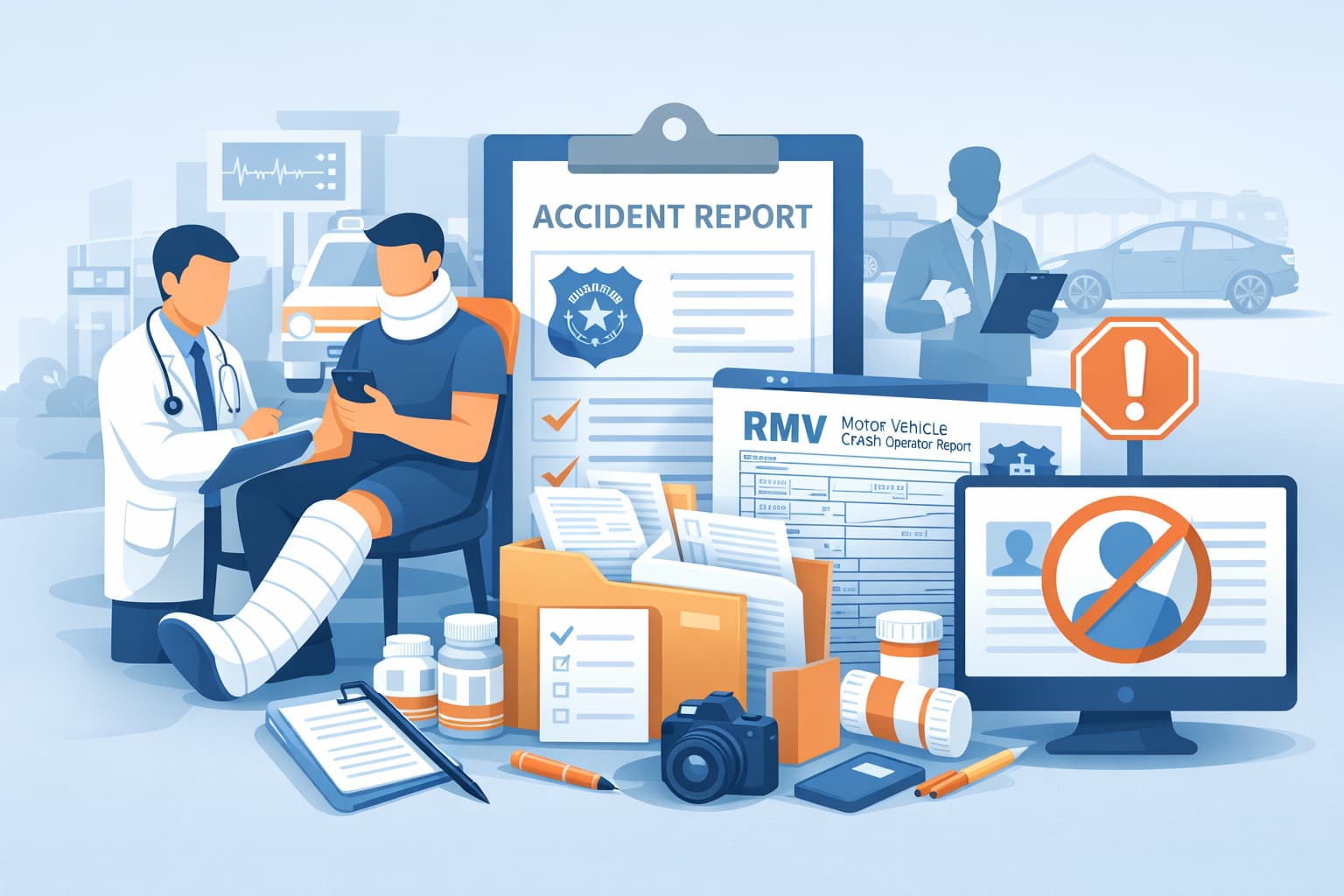
After the initial shock of an accident has passed, the actions you take can have a significant impact on your ability to secure fair compensation for a pedestrian accident. Focusing on your health and carefully managing the details of your situation can protect your rights.
- Seek Follow-Up Medical Attention. Go to all your follow-up appointments and see any specialists your doctor recommends. Some serious injuries, like concussions or internal damage, may not be immediately apparent. Consistent medical treatment creates an official record that links your injuries to the accident.
- Document Everything. Start a dedicated folder or digital file for everything related to the accident. This includes all medical bills, receipts for prescriptions, and any correspondence you receive from insurance companies. It’s also helpful to write down everything you remember about the accident while the details are still fresh in your mind.
- File an Official Crash Report. If the police were at the scene, they created a report. If not, or for your own records, you should be aware of state requirements. In Massachusetts, you are required to file a Motor Vehicle Crash Operator Report with the RMV within five days if anyone was injured or there was more than $1,000 in property damage.
- Be Cautious When Speaking with Insurance Adjusters. The at-fault driver’s insurance company will likely contact you soon after the accident. Remember that their goal is to pay out as little as possible. You are not required to give them a recorded statement. It is often wise to decline speaking with them until you have had a chance to consult with an attorney.
- Stay Off Social Media. It is best to avoid posting about your accident, your injuries, or your daily activities on social media platforms. Insurance companies can and will look at your profiles. A photo of you at a social event could be used out of context to argue that your injuries are not as severe as you claim.
Taking these deliberate steps can help you build a stronger foundation for your personal injury claim and safeguard your interests during the recovery process.
How Is a Pedestrian Accident Settlement Calculated?
There is no “settlement calculator” that can spit out a precise number for your case. However, attorneys and insurance companies often use certain methods as a starting point for negotiations. The two most common approaches are the multiplier method and the per diem method.
The Multiplier Method
This is the most frequently used approach. First, all of your economic damages (medical bills, lost wages, etc.) are added together. This total is then multiplied by a number, typically between 1.5 and 5, to estimate your non-economic damages.
- A lower multiplier (e.g., 1.5 or 2) might be used for minor injuries with a quick and full recovery.
- A higher multiplier (e.g., 4 or 5) would be applied in cases involving severe, painful, or permanent injuries that have a life-altering impact.
The two figures—the calculated non-economic damages and the total economic damages—are then added together to reach a starting figure for settlement talks.
The Per Diem Method
Less common for serious injuries, the “per diem” (Latin for “per day”) method assigns a daily dollar amount for your pain and suffering. This daily rate is often based on your daily earnings. The total amount is calculated by multiplying this daily rate by the number of days you were in pain or recovering, up until the point you reach what is called “maximum medical improvement.”
It is important to remember that both of these methods are just tools to begin a conversation about settlement value. The final amount of compensation for a pedestrian accident will depend on skilled negotiation and a comprehensive presentation of how the accident has truly affected your life.
Pedestrian Accident Compensation FAQs
Here are answers to some common questions people have about receiving compensation for a pedestrian accident.
What if the driver who hit me fled the scene (hit-and-run)?
If the at-fault driver cannot be found, you may still have options for financial recovery. You might be able to file a claim under the Uninsured Motorist (UM) portion of your own auto insurance policy, if you have one. In some cases, your own health insurance or PIP coverage can also help with medical bills.
How long do I have to file a pedestrian accident claim in Massachusetts?
In Massachusetts, the statute of limitations for most personal injury claims is three years from the date of the accident. This means you generally have three years to either settle your claim or file a lawsuit. If you miss this deadline, you will likely lose your right to seek compensation.
Does my own health insurance have to be paid back from my settlement?
Often, yes. If your health insurance company paid for medical treatment related to the accident, they may have a right to be reimbursed from your final settlement. This is called “subrogation.” A personal injury attorney can often negotiate with the insurance company to reduce the amount you have to pay back.
Will I have to go to court to get compensation?
The vast majority of personal injury cases are settled out of court. A settlement is a formal agreement reached through negotiations between your attorney and the insurance company. Going to trial is rare and typically only happens if the insurance company refuses to offer a fair settlement.
What if I was jaywalking when the accident happened?
Jaywalking does not automatically prevent you from receiving compensation. Under Massachusetts’ comparative negligence rule, your compensation would be reduced by your percentage of fault. As long as you are found to be 50% or less at fault, you can still recover damages from a driver who was also negligent, such as one who was speeding or not paying attention.
Speak With a Boston Personal Injury Attorney
Figuring out the value of your pedestrian accident claim can feel like a complex puzzle. You do not have to handle this process by yourself. At Brooks Law Firm, our dedicated team is here to help you understand your legal options and pursue the full and fair compensation you need to move forward.
We have a long track record of helping injured individuals in the Boston community. Our team provides legal support in English, Spanish, and Portuguese, and we are committed to making sure your voice is heard. Contact Brooks Law Firm today at (617) 245-8090 or through our online form for a free, no-obligation consultation to discuss your case.