


What Are the Most Common Types of Motor Vehicle Accidents?
The most common types of motor vehicle accidents are rear-end collisions, which often occur in heavy traffic or due to distracted driving. Beyond these frequent fender-benders, other common crashes include angle (or T-bone) collisions at intersections, sideswipes on multi-lane highways, and dangerous head-on impacts.
Each type of collision presents a unique set of circumstances and potential injuries, shaped by factors like vehicle speed, driver behavior, and road conditions. Exploring these most common types of motor vehicle accidents provides a clearer picture of the risks drivers face and the importance of holding responsible parties accountable.
Reach out to a personal injury lawyer today to protect your rights after a car or truck accident and get a free consultation to understand your legal options.
Key Takeaways about the Most Common Types of Motor Vehicle Accidents
- Rear-end collisions are one of the most frequently reported types of motor vehicle accidents, often caused by tailgating and distracted driving.
- Angle accidents, also known as T-bone or side-impact collisions, commonly happen at intersections when drivers fail to yield the right-of-way.
- Accidents involving large trucks present distinct challenges due to the vehicle’s size, weight, and operational limitations, such as large blind spots.
- Driver error, including speeding, distraction, and impairment, is a leading factor in the majority of motor vehicle crashes.
- The type of collision can significantly influence the severity and nature of injuries sustained by those involved.
- Understanding Massachusetts’ traffic laws and how fault is determined is an important part of the post-accident process.
A Closer Look at Rear-End Collisions in Massachusetts
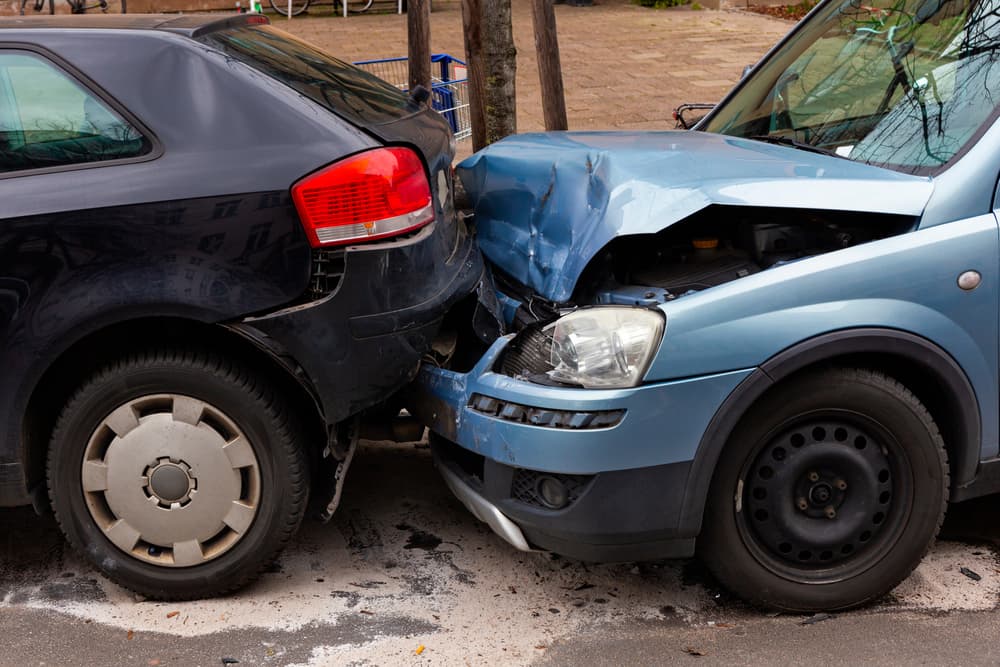
Rear-end collisions are an all-too-common sight on busy Boston-area roadways. This type of accident happens when one vehicle crashes into the one in front of it. While some are minor bumps in stop-and-go traffic on the Southeast Expressway (I-93), others can occur at high speeds, leading to serious consequences. The front of the striking car absorbs a heavy impact, while the occupants of the car that was hit are jolted forward unexpectedly.
The primary cause is often a lack of safe following distance, but other factors are frequently at play. Distracted driving, such as texting or changing the radio station, takes a driver’s focus off the road long enough for the car ahead to slow down or stop. Sudden braking and poor weather conditions that reduce tire traction can also contribute.
Common factors leading to rear-end crashes include:
- Following too closely (tailgating): This leaves insufficient time and space to react to sudden stops.
- Driver inattention: This can be anything from daydreaming to focusing on a GPS instead of the road.
- Speeding: Exceeding the speed limit reduces reaction time and increases the force of impact.
- Adverse weather: Rain, snow, or ice can make it much harder to stop a vehicle in time.
Even at low speeds, these incidents can cause injuries like whiplash, as the head and neck are snapped back and forth. It is important to seek a medical evaluation after any such collision, as some injuries may not be immediately apparent.
Understanding Angle and T-Bone Accidents
Angle accidents, often called T-bone or side-impact collisions, occur when the front of one vehicle strikes the side of another. These are particularly dangerous because the sides of a vehicle offer far less protection than the front or rear, which have bumpers and large crumple zones designed to absorb impact. Occupants on the side of the impact are vulnerable to serious injuries.
These crashes are most frequent at intersections. A driver might run a red light at a busy Boston intersection or fail to yield at a stop sign in a quieter neighborhood. They can also happen when a driver is making a left turn and misjudges the speed of oncoming traffic.
Key situations where T-bone accidents occur are:
- Intersections with traffic signals: A driver may try to beat a yellow light or be distracted and not notice the light has turned red.
- Intersections with stop signs: This often involves one driver failing to stop completely or pulling out into traffic without a clear view.
- Parking lots and driveways: A vehicle pulling out of a parking space or driveway may strike another car passing by.
The responsibility in these cases often falls on the driver who violated the right-of-way. Evidence from traffic cameras, witness statements, and the location of vehicle damage can all help determine how the accident happened.
The Dangers of Head-On Collisions
Although less common than rear-end or T-bone accidents, head-on collisions are among the most severe. When two vehicles traveling in opposite directions collide front-to-front, the combined forces create a catastrophic impact. The risk of life-altering injuries or fatalities is significantly higher in these crashes.
Head-on collisions can happen for several reasons, many of which involve a driver losing control or making a critical error in judgment. On two-lane rural roads outside of the city, an improper or unsafe pass can lead to a direct collision with an oncoming car.
Factors that can contribute to a head-on crash include:
- Driving under the influence: Alcohol or drugs severely impair a driver’s ability to stay in their lane and make sound decisions.
- Drowsy driving: A tired driver can easily drift across the center line without realizing it.
- Distractions: A moment of inattention can cause a car to swerve into the opposing lane of traffic.
- Medical emergencies: A driver suffering a sudden medical event may lose control of their vehicle.
- Wrong-way driving: Confused drivers may accidentally enter a highway ramp in the wrong direction or turn onto a one-way street.
The results of these accidents are often devastating, requiring extensive investigation to understand the cause and hold the responsible driver accountable for their actions.
Sideswipe and Lane Change Accidents
Sideswipe accidents occur when the sides of two vehicles traveling in the same direction make contact. This often happens during a lane change on multi-lane highways like the Mass Pike (I-90) or Storrow Drive. While the initial impact may seem minor, it can cause a driver to lose control, potentially leading to a more serious secondary crash with another vehicle or a fixed object.
The leading cause of sideswipe accidents is an unsafe lane change. A driver might fail to check their blind spot, misjudge the speed of the vehicle in the adjacent lane, or drift out of their lane due to distraction or fatigue.
Here are some common scenarios for sideswipe accidents:
- Failing to check blind spots: Every vehicle has blind spots where another car can “hide,” making a visual head-check essential before changing lanes.
- Drifting between lanes: This is a classic sign of a distracted, drowsy, or impaired driver.
- Merging onto a highway: A driver entering the highway must yield to existing traffic, and misjudging the timing can lead to a sideswipe.
These accidents underscore the importance of defensive driving and maintaining full awareness of the vehicles around you at all times.
What About Truck Accidents?
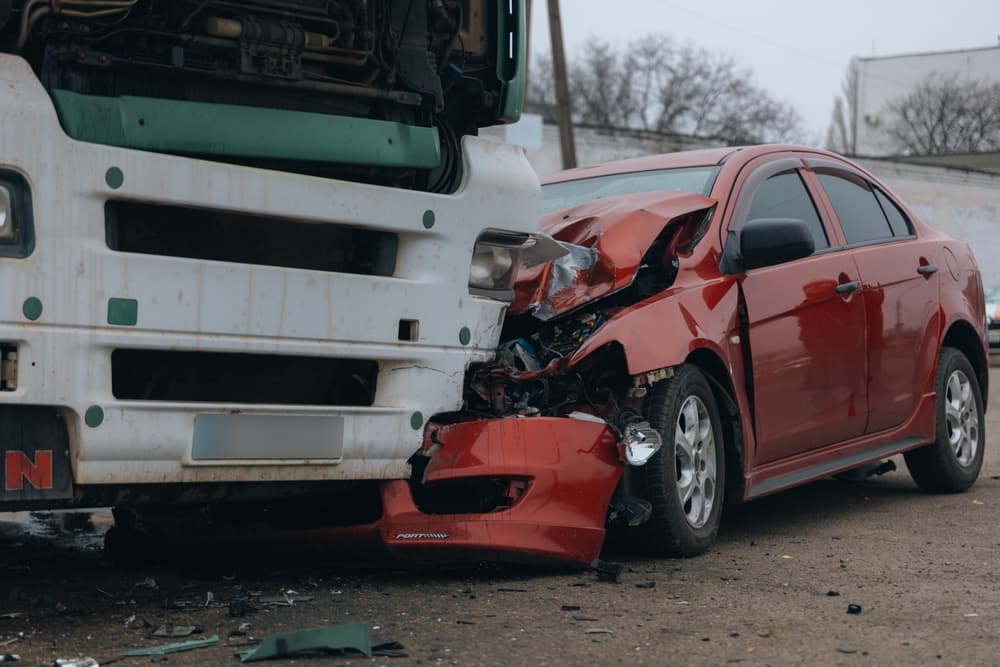
Accidents involving large commercial trucks—such as semi-trucks, tractor-trailers, or construction vehicles—are fundamentally different from typical passenger car collisions. The sheer size and weight of a commercial truck mean that any impact is likely to be much more destructive. These large trucks can weigh 20-30 times as much as passenger cars, creating a dangerous imbalance in any collision.
Truck accidents are also more complex from a legal standpoint. The driver may be at fault, but so could the trucking company for improper maintenance or the manufacturer for a defective part.
Several unique factors contribute to truck accidents:
- Large blind spots: Trucks have extensive “no-zones” on all four sides where a passenger car is completely invisible to the driver.
- Longer stopping distances: A fully loaded truck requires a much greater distance to come to a complete stop compared to a car.
- Driver fatigue: Truck drivers often work long hours, and fatigue can impair their reaction time and judgment.
- Improperly secured cargo: If cargo shifts or falls from a truck, it can create a serious hazard for other vehicles on the road.
Investigating a truck accident often requires examining driver logs, vehicle maintenance records, and company hiring practices to determine all contributing factors and identify all responsible parties.
Single-Vehicle and Multi-Vehicle Pile-Ups
Not all accidents involve two cars. Single-vehicle accidents and multi-vehicle pile-ups represent two opposite ends of the collision spectrum, each with its own set of causes and challenges.
A single-vehicle accident is when one car crashes without involving another moving vehicle. This could mean hitting a stationary object like a guardrail, a tree, or a telephone pole. It also includes rollovers, where a car flips onto its side or roof, often after the driver swerves sharply. These can be caused by a driver trying to avoid an animal in the road, hitting a patch of black ice on a bridge like the Tobin Bridge, or experiencing a tire blowout.
On the other hand, a multi-vehicle pile-up is a chain-reaction crash involving three or more vehicles. These often happen on highways during periods of low visibility, such as heavy fog or a sudden downpour. One initial collision can set off a domino effect as the following drivers are unable to stop in time.
Common causes for these accident types include:
- Poor weather conditions: Fog, heavy rain, snow, and ice drastically reduce visibility and road traction.
- Road hazards: Debris in the road, large potholes, or animals can cause a driver to swerve suddenly.
- Sudden stops in traffic: A quick stop on a busy highway can easily lead to a chain-reaction pile-up.
- Driver error: Speeding or following too closely can turn a minor incident into a large-scale accident.
Determining fault in a multi-vehicle pile-up can be complicated, as multiple drivers may share some level of responsibility for the chain of events.
Common Causes Behind These Collisions
While each accident type has unique characteristics, most are rooted in a common set of driver behaviors and external factors. Understanding these root causes is key to promoting safer roads for everyone. According to the National Highway Traffic Safety Administration (NHTSA), more than 3,000 people are killed each year in crashes involving distracted drivers.
The top contributing factors to motor vehicle accidents are:
- Distracted Driving: This goes beyond texting and includes eating, talking to passengers, adjusting controls, or anything else that takes a driver’s eyes, hands, or mind off the task of driving.
- Speeding and Aggressive Driving: Traveling above the speed limit or driving aggressively—such as tailgating, weaving through traffic, and ignoring signals—greatly increases the risk of a crash. Massachusetts law outlines the absolute speed limits, but drivers are also required to drive at a speed that is reasonable and proper for the conditions.
- Driving Under the Influence (DUI): Alcohol and drugs impair judgment, coordination, and reaction time, making it a leading cause of serious and fatal accidents.
- Drowsy Driving: The effects of fatigue can be similar to those of alcohol, slowing a driver’s reflexes and ability to make safe decisions.
- Poor Weather: Rain, ice, and snow make roads slick and demand slower speeds and greater caution from all drivers.
Ultimately, a commitment to attentive and responsible driving is the best way to prevent these common types of motor vehicle accidents.
Types of Motor Vehicle Accidents FAQs
Here are answers to some frequently asked questions about different types of motor vehicle crashes and what follows.
Are rollover accidents common?
Rollover accidents are not as frequent as other crash types, but they are particularly dangerous and have a high rate of serious injury or fatality. They are more common with vehicles that have a higher center of gravity, like SUVs and trucks, and often happen when a driver swerves at high speed or is “tripped” by a curb or soft shoulder.
How does Massachusetts law determine fault in a car accident?
Massachusetts uses a modified comparative negligence system. This means you can only recover damages if you are found to be 50% or less at fault for the accident. If you are found to be 51% or more at fault, you cannot recover any compensation from the other party.
What should I do if the other driver was uninsured?
If you are hit by an uninsured or underinsured driver in Massachusetts, you may be able to file a claim through your own auto insurance policy, provided you have Uninsured/Underinsured Motorist (UM/UIM) coverage. It is a good idea to review your policy to understand your coverage limits.
What role do road conditions play in accident claims?
Poor road conditions, such as large potholes, lack of proper signage, or malfunctioning traffic signals, can be a contributing factor in an accident. In some cases, a government entity responsible for maintaining the road could be held partially liable, though these claims can be very complex.
Discuss Your Case with Our Dedicated Team
If you have been injured in a car accident, you may be facing medical bills, lost income, and significant pain. Understanding your rights and options is the first step toward recovery. At Brooks Law Firm, our team is committed to advocating for individuals and families in Boston and across Massachusetts who have been harmed by another’s negligence.
We provide compassionate and determined legal support to help you seek the financial resources you need to move forward. With services available in English, Spanish, and Portuguese, we are here to listen to your story and explain your options. Contact Brooks Law Firm today at (617) 245-8090 or through our online form for a no-obligation consultation to discuss your case.


