


Injured Passengers in a Car Accident: When You Need a Lawyer
Recovering as an injured passenger in a Massachusetts car crash creates a unique type of stress while insurance companies debate who’s responsible for your medical bills. Even if you played no role in causing the crash, you may face the biggest administrative burden when bills arrive before your injuries heal.
If you were injured as a passenger in a Massachusetts car accident, your medical bills are usually paid first through Personal Injury Protection (PIP) coverage — regardless of who caused the crash. If your injuries are serious or exceed PIP limits, you may then pursue compensation from the at-fault driver’s insurance for pain and suffering and other damages.
Massachusetts follows a no-fault auto insurance system, which adds complexity to your claim rather than simplifying it. This system requires you to identify the correct Personal Injury Protection (PIP) policy to pay your initial bills, regardless of which driver caused the collision.
A Massachusetts car accident lawyer acts as your advocate, managing these overlapping insurance policies and liability laws. An attorney can identify all available insurance and manage communication with adjusters, providing a clear path to fair payment.
Key Takeaways for Injured Passenger Claims in Massachusetts
- Personal Injury Protection (PIP) coverage from your or the host driver’s auto insurance is typically the first source of coverage for medical bills and lost wages, regardless of who was at fault.
- Passengers are rarely the cause of a car accident, meaning establishing liability for your injuries is generally simpler than for the drivers involved.
- You have the right to seek compensation from one or more negligent drivers involved in the collision to cover your injury-related costs.
- If you need to file a claim against a friend or family member who was driving, the claim is generally handled by their insurance company and doesn’t usually target their personal assets.
- In Massachusetts, there is a strict deadline for filing a lawsuit to recover compensation for your injuries.
Quick Answer: What Happens if You’re an Injured Passenger?
- PIP pays first (up to $8,000)
- If injuries exceed threshold → you can sue at-fault driver
- You can claim against multiple drivers
- UM/UIM coverage may apply
- You rarely have fault as a passenger
Understanding Your Rights as a Passenger Under Massachusetts Law
Injured passengers in Boston, Worcester, Springfield, and throughout Massachusetts have some protections under Massachusetts law. Specifically, the state operates under a no-fault insurance system. This means you can receive up to $8,000 for medical expenses and lost wages without having to prove fault in the accident.
Instead, you must file a claim with the Personal Injury Protection (PIP) carrier. Usually, this is the insurance company covering the car you sat in during the crash. If you have your own auto policy, your insurer might coordinate with the host vehicle’s insurer to cover these costs.
This system aims to pay medical providers quickly. However, serious injuries often create costs that go far beyond these initial PIP limits. Once your expenses exceed the no-fault cap, or if you suffer permanent disfigurement or broken bones, you gain the right to step outside the no-fault system.
You may then file a liability claim against the at-fault driver and seek payment for pain and suffering, which PIP does not cover. As a passenger, you likely have the right to pursue payment from any driver who acted negligently. You generally do not have to worry about liability falling on you unless you actively interfered with the driver.
Your legal status is typically that of an innocent victim. This status strengthens your position, but insurance adjusters still work hard to minimize what they pay. They may argue that your treatment is unnecessary or that your injuries existed before the crash.
Establishing Liability in Passenger Injury Cases
Proving fault is the central task in any claim that goes beyond basic PIP benefits. Since a passenger rarely causes a crash, the dispute usually happens between the drivers involved. Your lawyer investigates the actions of all of the drivers. In some cases, both drivers share a portion of the blame.
Massachusetts uses a modified comparative negligence rule, which allows you to recover damages from any party that is at least partially at fault, provided your own share of fault is not greater than 50%.
What Happens if I Know the Driver?
If the host driver (the driver of the car you were in) caused the accident, you might hesitate to file a claim because of your personal relationship. It’s vital to separate the person from the policy. You’re seeking payment from an insurance corporation, not taking money directly from your friend’s or family member’s bank account.
Drivers pay premiums exactly for this purpose. If the other driver caused the crash, your claim targets their insurance policy. In multi-vehicle pile-ups on I-93, liability might be split among several parties.
This actually benefits an injured passenger because it opens up multiple insurance policies, increasing the total pool of compensation available.
Analyzing Driver Behavior
Your legal team looks at specific behaviors that constitute negligence. Negligence simply means a failure to act with reasonable care. To win a liability claim, you must show that a driver did something wrong or failed to do something right. This requires a close look at the facts.
Common negligent actions include:
- Distracted Driving: A driver looks at a text message instead of the traffic stopping on Route 60.
- Speeding: A vehicle travels significantly faster than the posted limit or too fast for rainy conditions.
- Failure To Yield: A driver turns left at an intersection without waiting for oncoming traffic to clear.
- Drunk Driving: A motorist operates a vehicle while impaired by alcohol or drugs, violating criminal and civil laws.
- Following Too Closely: A driver fails to maintain a safe following distance and rear-ends the car ahead.
Finding Insurance Coverage Layers for Injured Passengers
Finding enough insurance coverage is often the biggest hurdle in a serious injury case. A single policy may not be enough to pay for surgery, rehabilitation, and lost income. Experienced personal injury attorneys look for layers of coverage, and the first is the at-fault driver’s Bodily Injury Liability policy.
Massachusetts requires drivers to carry minimum amounts, but many drivers carry higher limits. If the at-fault driver has only the required minimum, it may not cover a catastrophic injury.
When the at-fault driver’s insurance runs out, your Massachusetts car crash attorney looks to other sources. This is where Underinsured Motorist (UIM) coverage helps. If you have your own auto insurance policy, or if you live with a family member who has a policy, you may be able to tap into UIM benefits.
This coverage may pay additional compensation up to your policy limits if the at-fault driver lacks sufficient coverage. Uninsured Motorist (UM) coverage works similarly but applies when the at-fault driver has no insurance at all or flees the scene of the crash.
Health Insurance Liens
Another complex part of the process involves your private health insurance. Once PIP is exhausted, your health insurer usually pays the remainder of your medical bills. However, this may give the insurer the right to seek reimbursement from your final car accident settlement.
Managing these liens is a critical legal task. Without a proper strategy, a large portion of your settlement might go straight to the health insurer. A skilled attorney negotiates with health providers to reduce these liens, keeping more settlement funds in your pocket.
Commercial Policies
If the vehicle involved was a commercial truck or a delivery van, the insurance limits are likely much higher. Commercial entities carry larger policies to protect their business assets.
Accidents involving commercial vehicles often result in severe damage due to the size of the vehicles.
Accessing these commercial policies requires proving that the driver was working at the time of the crash. This adds a layer of investigation but can significantly increase the available compensation.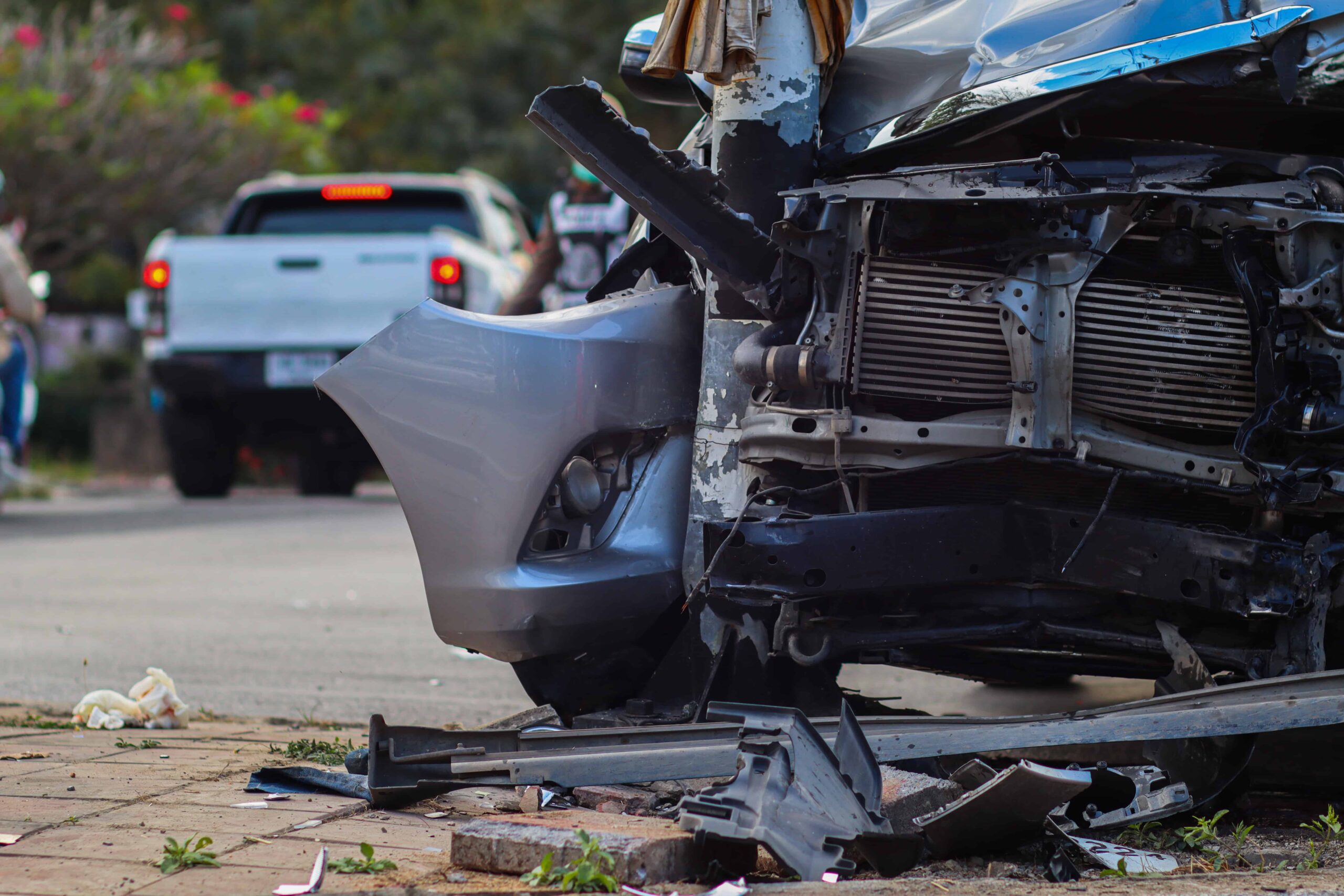
Who Pays if You’re Hurt in a Massachusetts Rideshare Accident?
Riding in an Uber or Lyft creates a different set of rules for an injured passenger. Rideshare companies provide substantial insurance policies, often up to $1 million in liability coverage. However, this coverage only applies during specific phases of the ride. Your lawyer can verify the driver’s status on the app to determine which policy pays for your injuries.
Coverage limits shift based on the driver’s activity:
- App Is Off: The driver relies solely on their personal auto insurance limits when they are not logged into the app.
- Waiting for a Request: The rideshare company provides limited contingent liability coverage if the app is on, but a ride has not been accepted.
- En Route/Passenger in Vehicle: A $1 million commercial policy generally applies once the ride is accepted and continues through the trip.
These cases get even more complicated when the rideshare driver is not at fault. If another driver hits your Uber, you must pursue the other driver’s insurance first. If that driver is uninsured, the rideshare company’s UM coverage may apply.
However, Uber and Lyft frequently fight these claims. They often classify their drivers as independent contractors to distance themselves from liability. Navigating the terms of service and the tiered insurance policies of rideshare giants requires a thorough understanding of current laws.
Documenting the Ride
Evidence in rideshare cases extends beyond the crash scene. The digital record of the ride is crucial. Screenshots of the app showing the ride in progress prove that the commercial policy was active. This digital trail prevents the company from claiming the driver was not working.
Multiple Passengers
Rideshare vehicles often carry groups. If four people suffer injuries in the same crash, the $1 million policy limit must cover everyone. If the total value of all claims exceeds the policy limit, each person receives a percentage.
This scenario demands aggressive legal representation to ensure your claim receives a fair evaluation regarding the available funds.
When To Get a Massachusetts Car Accident Attorney for Your Passenger Injury Case
Recognizing the right time to call a Massachusetts personal injury lawyer protects your financial future. While you might handle a scrape or bruise on your own, significant injuries require professional management.
The legal system involves strict deadlines, known as statutes of limitations. In Massachusetts, you typically have three years to file a lawsuit, but specific notice requirements for claims against the city or another government entity can be as short as 30 days. Missing these deadlines destroys your claim forever.
Contact a lawyer immediately if any of these factors apply to your situation:
- Liability Disputes: The police report is unclear, or the drivers are blaming each other for the collision.
- Severe Injuries: You suffered broken bones, head trauma, scarring, or other serious injuries.
- Denied Claims: The insurance company denied your claim or offered a settlement that does not cover your bills.
- Complex Employment: You missed substantial time at work and need to prove lost earning capacity.
- Commercial Vehicles: The accident involved a truck, bus, or corporate vehicle with high-limit commercial policies.
FAQs for Injured Passenger Claims in Massachusetts
Can I Sue the Driver if I Got Injured as a Passenger in a Massachusetts Car Crash?
Yes, you may file a claim against the driver of the vehicle you were in if their negligence caused the accident. In Massachusetts, this usually involves filing a claim against their insurance company after accident rather than suing the individual personally.
If the driver is a friend or family member, this can feel awkward, but the insurance policy exists to cover these exact situations. You are accessing the coverage they paid for, not taking their personal assets.
Who Pays My Medical Bills First?
In Massachusetts, the Personal Injury Protection (PIP) coverage on the host vehicle’s policy usually pays up to $8,000 of your medical bills. This happens regardless of who caused the accident. If you have your own health insurance, it may kick in after the first $2,000 of PIP is used. If you do not have health insurance, PIP may cover up to $8,000.
What if the At-Fault Driver Has No Insurance?
If the driver who caused the crash has no insurance, you may look to the Uninsured Motorist (UM) portion of the host vehicle’s policy. If you have your own auto insurance policy or live with a family member who does, you may also file a claim under that policy’s UM coverage. These benefits step in to act as the insurance that the at-fault driver failed to carry.
Will My Health Insurance Cover Car Accident Injuries?
Your health insurance will pay for treatment, but only after you exhaust the available PIP benefits. However, your health insurer will likely place a lien on any final settlement you receive. This means they expect you to pay them back for the medical bills they covered once you win your case.
A Massachusetts car crash lawyer can often negotiate this lien amount down to ensure you keep more of your settlement.
Do I Have To Give a Statement to the Insurance Company?
You generally have a duty to cooperate with the insurance company of the car you were riding in (the host vehicle) to get PIP benefits. However, you should not give a recorded statement to the other driver’s insurance company without legal advice.
They may try to use your words against you to shift blame or downplay your injuries. It is always safer to let a Massachusetts car accident lawyer handle these communications.
Get Help With Your Claim Today
 Massachusetts’s insurance system involves complex rules that often work against injured passengers. At Brooks Law Firm, we protect your rights and fight for the payment you need. Let our team handle the investigation, the paperwork, and the negotiations so you can focus on healing.
If you suffered an injury in a car accident in Massachusetts, contact us today, and we will review your case for free.


